The Yadav Lab aims to understand the molecular and cellular players dictating the survival and proliferation of pathogenic fungi in host cells under stress. Our primary focus is to understand the molecular mechanisms that allow fungal cells to adapt to higher temperatures, specifically enabling environmental fungi to grow and cause infections in humans.
We think that heat is not just a stress that fungi adapt to, but that high temperatures reshape cell division, genome stability, and pathogenicity in fungal pathogens. Decoding the underlying molecular and biochemical basis of heat response pathways will reveal the hidden biology of pathogenic fungi, identifying novel drug targets.
Research
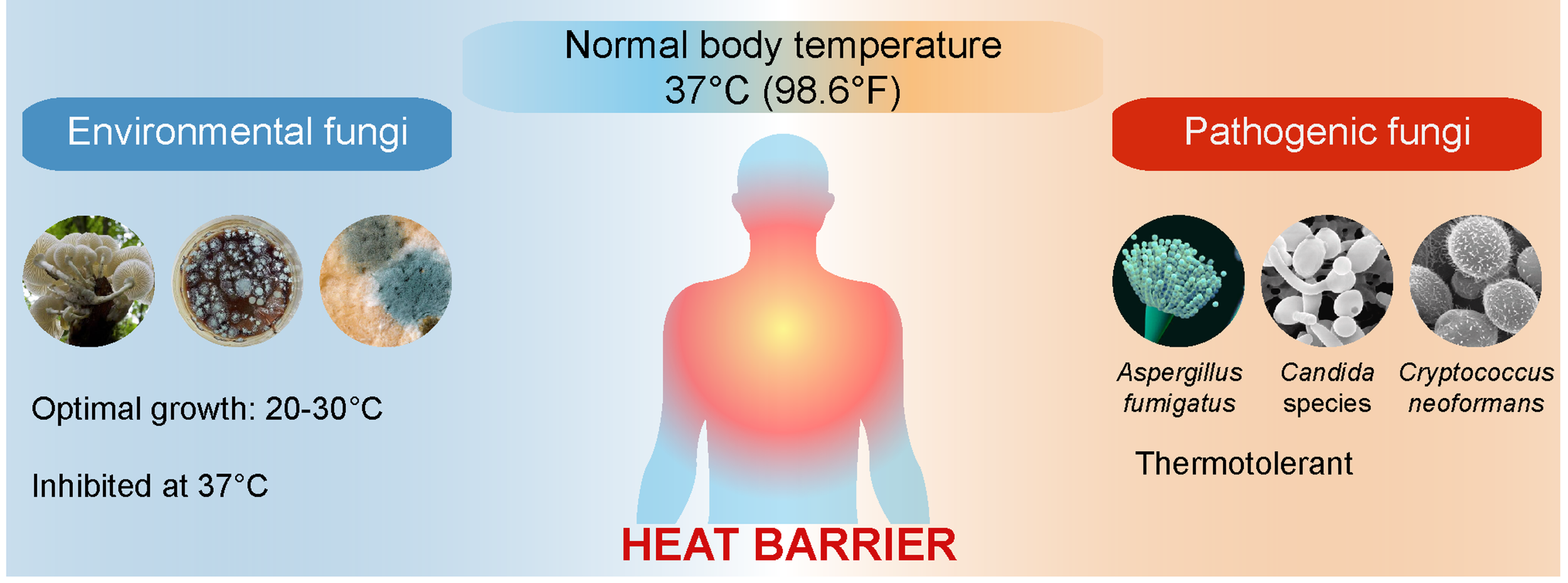
The central theme of our research is to understand how fungal cells respond to elevated temperatures and to gain insights into the molecular mechanisms enabling fungal proliferation under heat stress. We are primarily characterizing these in the fungal pathogen, Cryptococcus neoformans, which is an environmental fungus found in soil, trees, and pigeon guano, but adapts quickly to grow at human body temperature and cause deadly infections worldwide. We are also interested in learning about the evolution of these heat-response pathways in fungal pathogens, including those among emerging pathogens such as Candida auris. We also aim to identify novel fungal-specific proteins for targeted drug development.
Cytokinesis machinery in fungal pathogens
How do mother and daughter cells separate at the end of each cell cycle? Which protein players orchestrate cell division, and how is their function regulated?
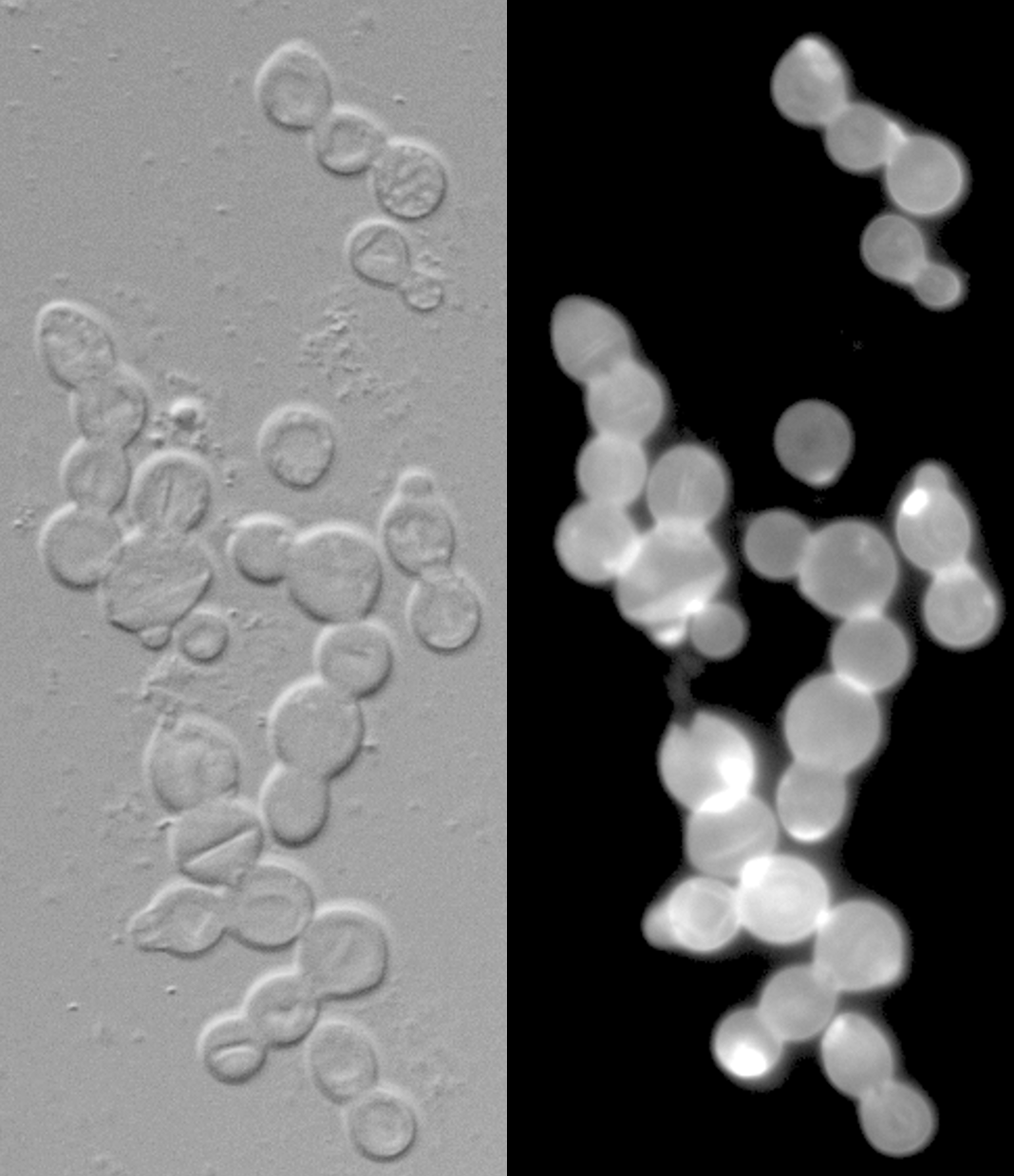
We are interested in answering these questions in human fungal pathogens. Fungi, unlike humans, form a septum at the end of each cell division to separate the progenitor cells. Septum formation requires activation of a chitin synthase enzyme via a highly coordinated protein complex, called the Ingression Progression Complex. Our goal is to learn how this protein complex assembles and activates the essential enzymatic machinery by studying gene function, cellular pathways, biochemical mechanisms and its relevance to cell shape, size and fungal pathogenesis.
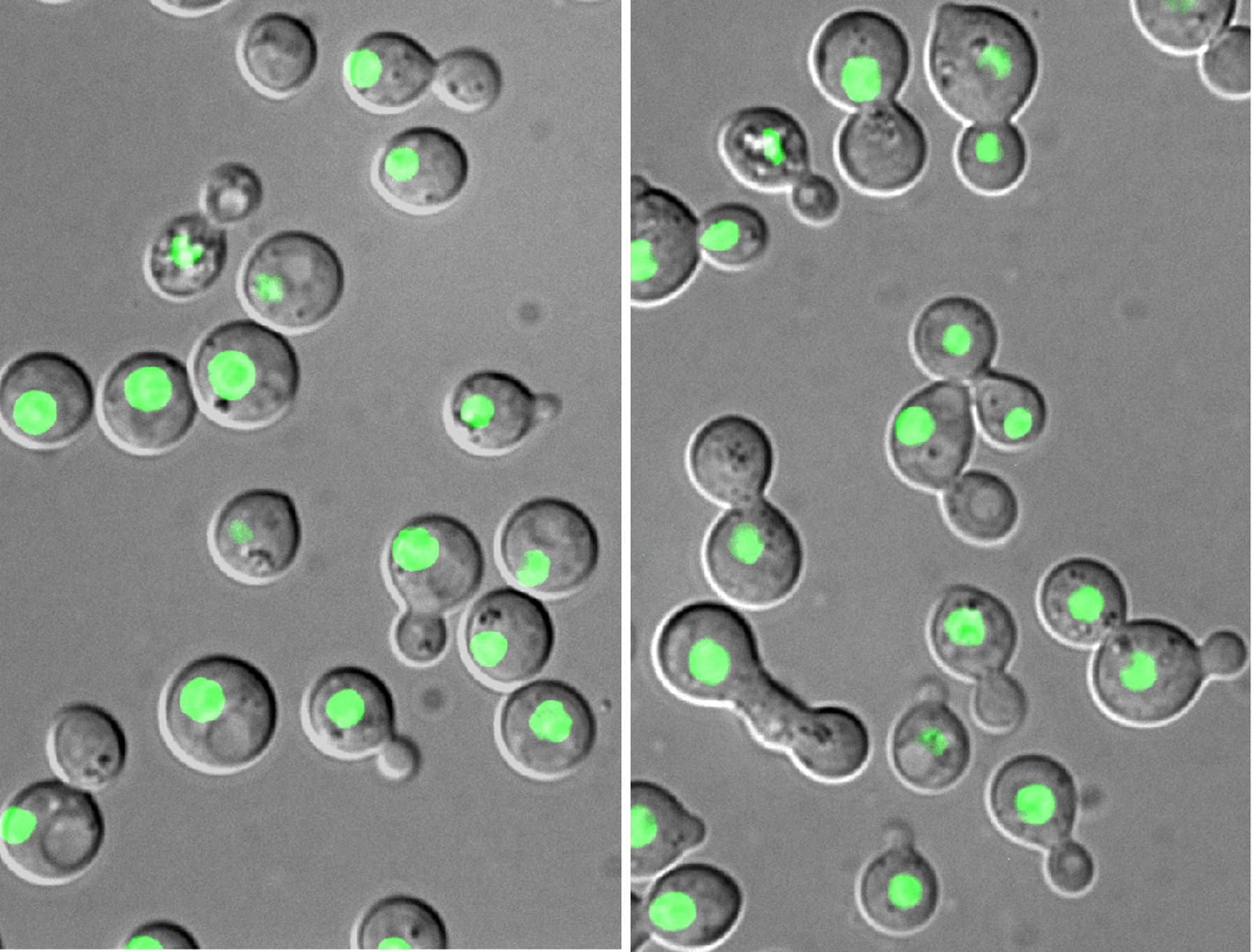
Genetic basis of nuclear division
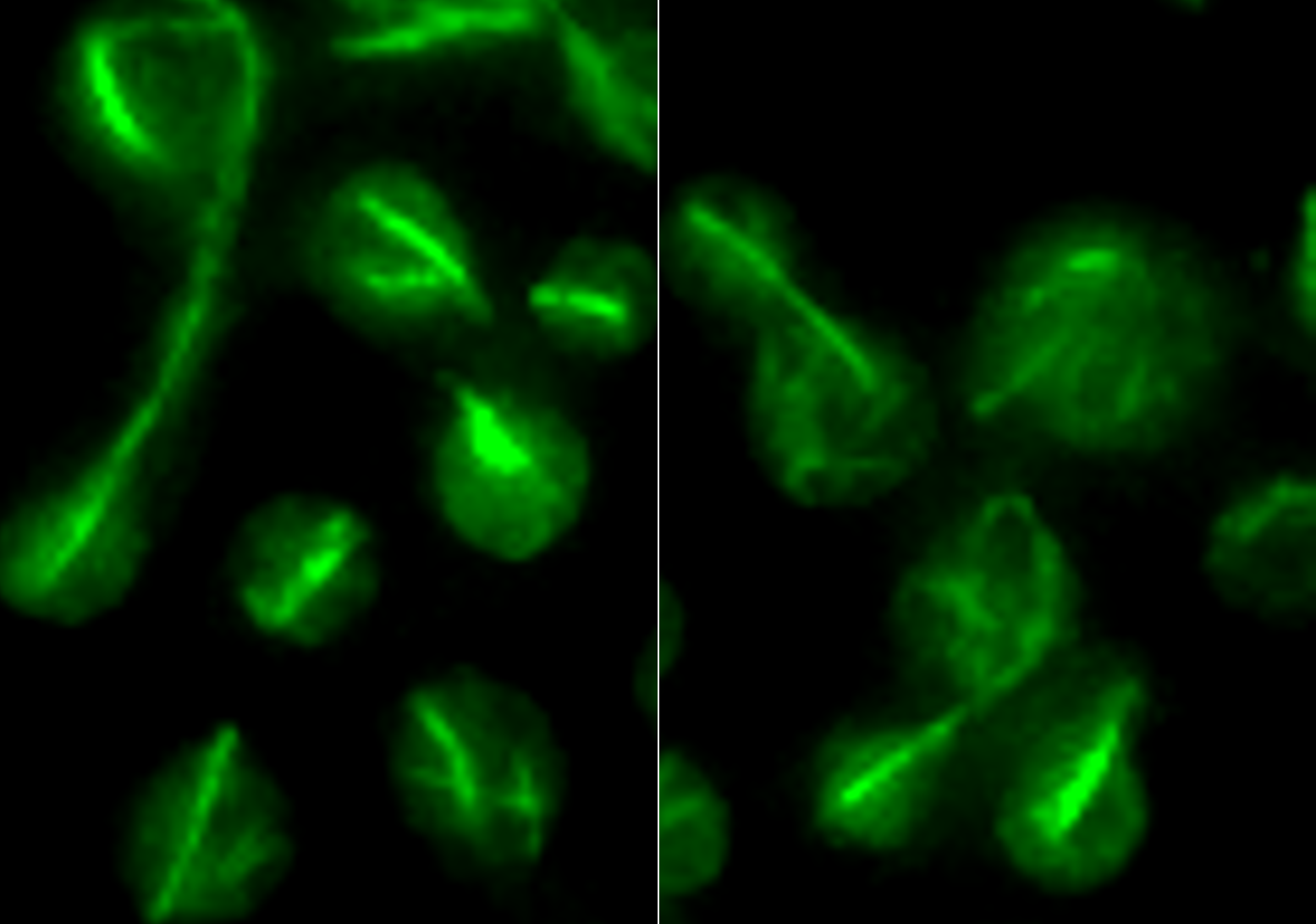
Faithful segregation of DNA between the daughter cells is the ultimate goal of each cell division. But how do fungal cells rewire cell division machinery in response to thermal stress?
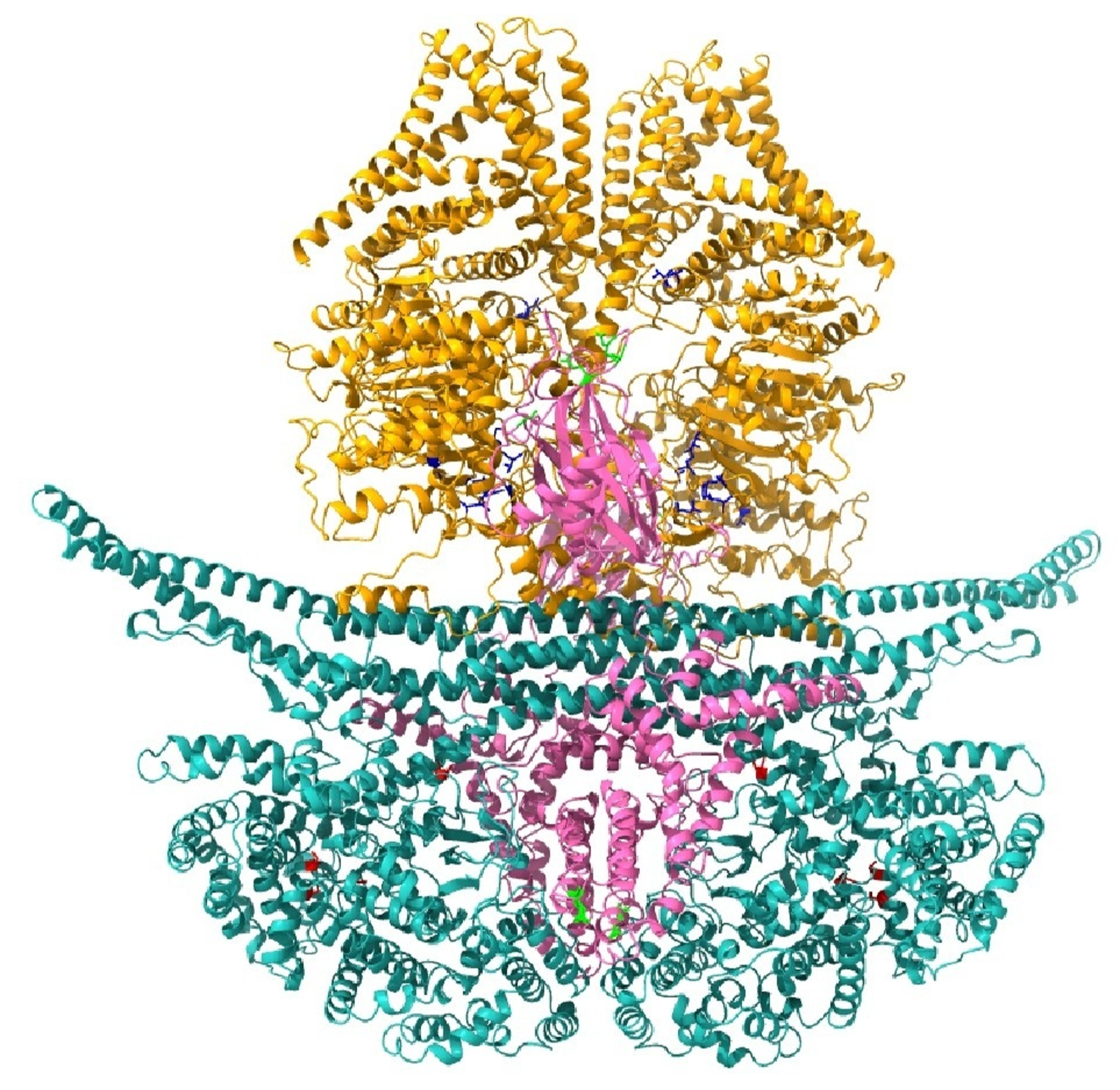
Our recent work identified that both DNA replication and segregation machineries are highly regulated during heat stress in Cryptococcus neoformans. The genes involved in these processes are among the most differentially expressed transcriptionally and tightly regulated at the post-translational level. We are investigating the structure-function relationships of proteins involved in governing genome stability in response to high temperatures. Our ultimate goal is to map the dynamics of DNA replication and segregation machinery and to gain a better understanding of aneuploidy-mediated antifungal drug resistance.
Stress response and pathogenesis
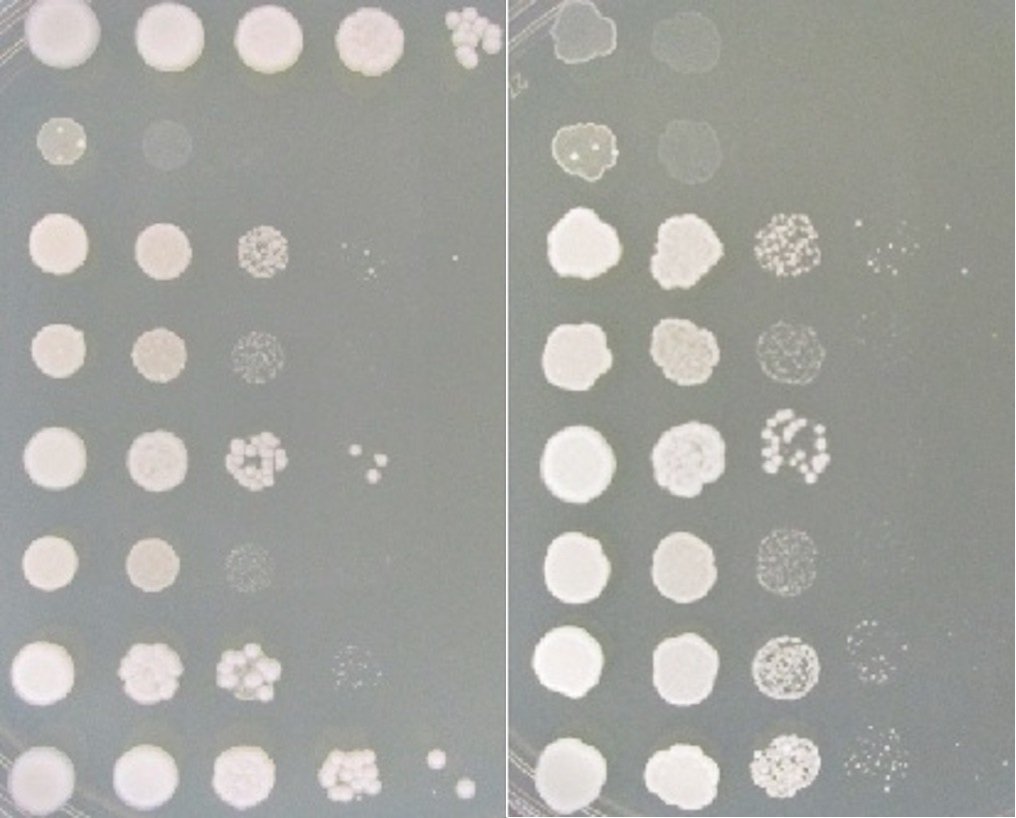
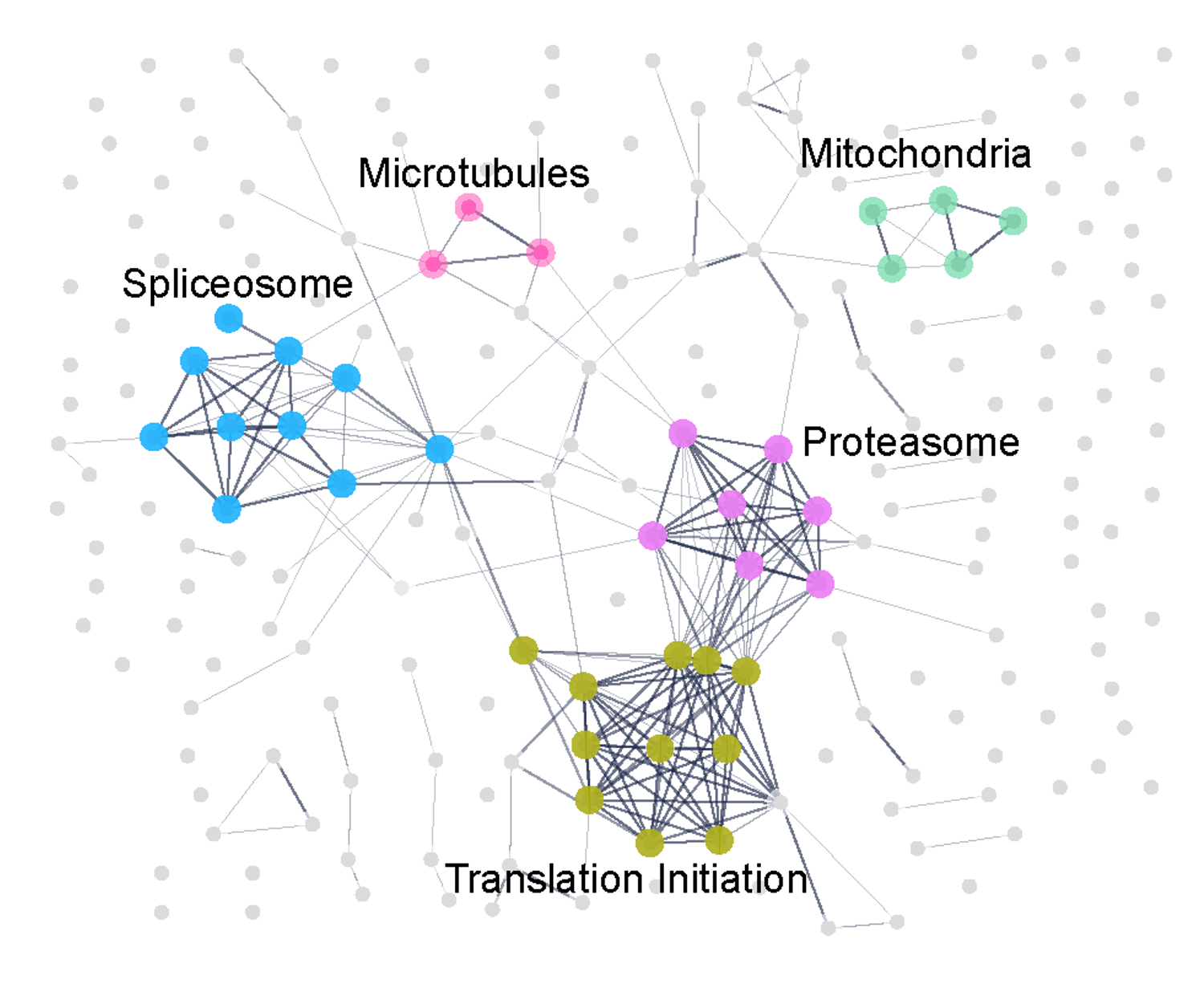
Stress response and pathogenesis-governing pathways operate within a highly interconnected network of signaling cascades. Some of these connections act in opposite directions to maintain a healthy cellular state under stress. The dynamic machinery controlling these cellular processes remains poorly understood.
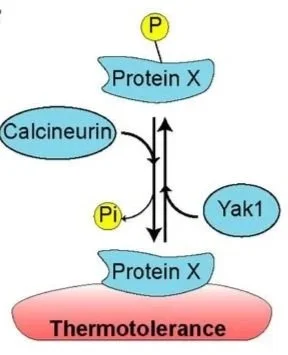
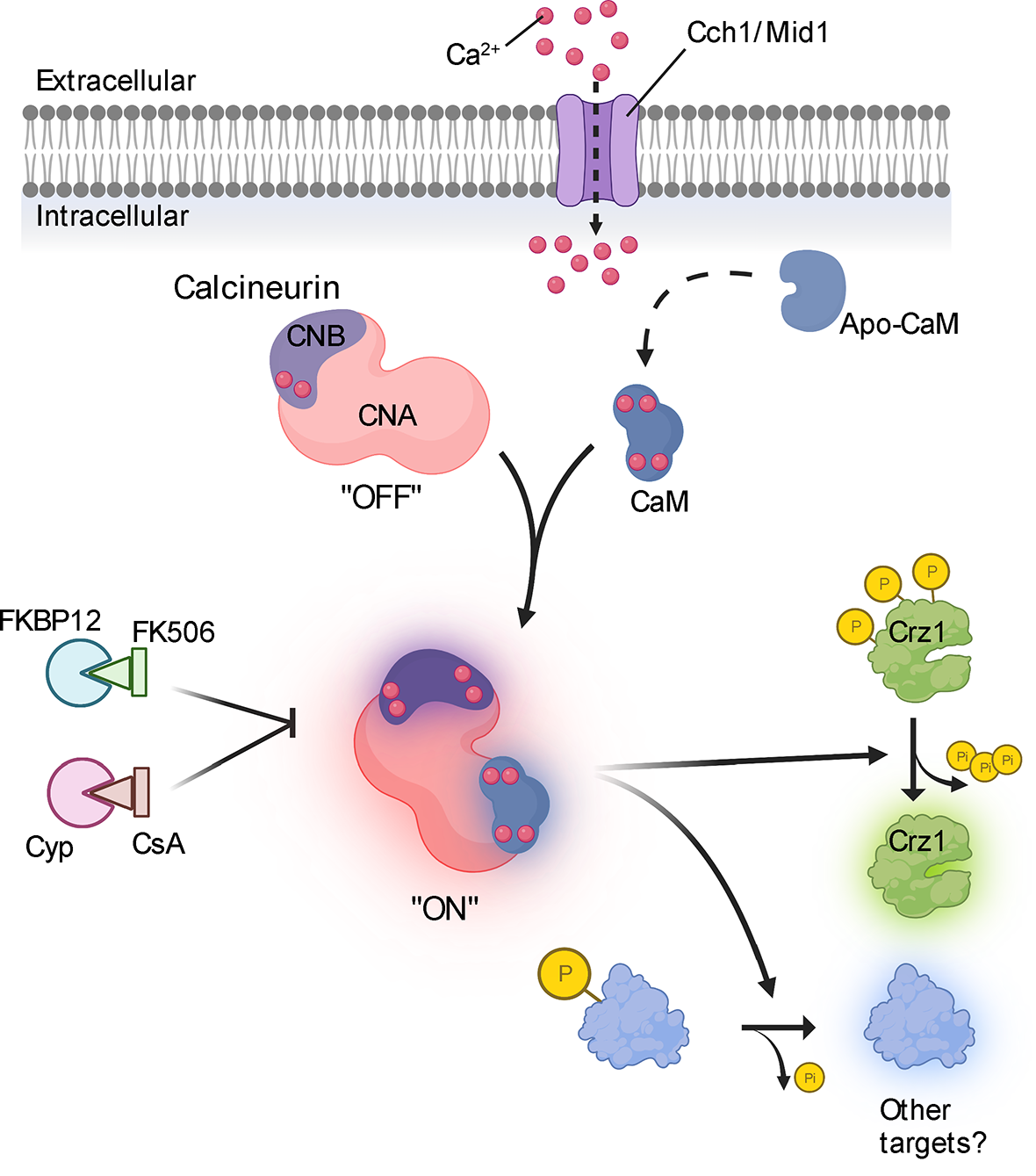
Calcineurin, a conserved serine-threonine protein phosphatase, is essential for thermal tolerance and virulence in Cryptococcus species. Our lab is characterizing the antagonistic interactions of calcineurin signaling cascades in this species and are excited to expand these approaches to understand calcineurin’s antagonistic relationships in other fungal pathogens, including Candida species, where calcineurin is essential for infection.
Team

Vikas Yadav, PhD
Principal investigator
Assistant Professor in Microbiology and Immunology
Marina Yoder
Lab manager
Graduate student
Publications
Yadav, V., Carl, K., Freedman, E., Heitman, J., Washington, E. J. Trehalose-6-phosphate synthase promotes thermotolerance by governing glycolytic flux in Cryptococcus deneoformans. bioRxiv. 2026; 2026.07.15.738695. PMID: 42539174. (In revision for Genetics)
Hamad, H. M., Specht, C. A., Carlson, D., Yadav, V., Upadhya, R., Heitman, J., Gabel, C., O’Donnell, P., Karlath, F. A. P., Qamar, F., Newstein, M., and Levitz, S. M. Primary cryptococcal cellulitis with high antigenemia in an immunocompromised Host: A case report and laboratory investigation of the causative Cryptococcus neoformans strain. Open Forum Infectious Diseases. 2026; 13(6):ofag334.
Yu, S.*, Yu, S-R.*, Jin, J-H.*, Choi, M. K.*, Yadav, V.*, Choi, H. S., Kim, E-S., Kim, H-W., Jeong, J-S., Kim, D-K., Heitman, J., Cho, H-S., Lee, K-T., and Bahn, Y-S. The protein phosphatase 2C domain contributes to the pathobiological function of adenylyl cyclase in Cryptococcus neoformans. Communications Biology(In press). Available on bioRxiv. 2025; 2025.12.10.693573. PMID: 41415369.
Xiong, L., Yadav, V., Sun, S., and Heitman, J. Dissecting the homeodomain MAT locus and engineering novel tripolar and bipolar mating systems in Cryptococcus amylolentus. mBio. 2026; 0:e00059-26. PMID: 41841731.
Yadav, V., and Heitman, J. Thermoregulation network governing virulence of a critical human fungal pathogen. bioRxiv. 2025; 2025.08.18.670910. PMID: 40894570. (In revision for EMBO Journal).
Myers, J. M., Schulz, F., Rahimlou, S., Yadav, V., Amses, K. R., Simmons, D. R., Sun, S., Orozco-Quime, M., Heitman, J., Stajich, J. E., James, T. Y. Discovery of giant viruses as past and present infections of zoosporic fungi. PLOS Biology. 2026; 24(8):e3003937. PMID: 42640984.
Miao, Y.*, Yadav, V.*, Shadrick, W., Liu, J., Jenner, A., Nichols, C. B., Gee, C., Schaefer, M., Tenor, J. L., Perfect, J., Lee, R., Brennan, R. G., and Washington, E. J. Inhibitors of trehalose-6-phosphate synthase activity in fungal pathogens compromise thermal tolerance pathways. mBio. 2025; 16:e01795-25. PMID: 40852984.
Yadav, V., Averette, A. F., Upadhya, R., and Heitman, J. Calcineurin regulates the cytokinesis machinery during thermal stress in Cryptococcus deneoformans. PNAS. 2025; 122(21):e2503751122. PMID: 40397671. Highlighted in “Commentary” in PNAS (PMID: 40549923).
Huang, J., Larmore, C.J., Priest, S.J., Xu, Z., Dietrich, F.S., Yadav, V., Magwene, P.M., Sun, S., Heitman, J. Distinct evolutionary trajectories following loss of RNA interference in Cryptococcus neoformans. PNAS. 2024; 121(47):e2416656121. PMID: 39536081.
Yadav, V., Mohan, R.$, Sun, S., Heitman, J. Calcineurin contributes to RNAi-mediated transgene silencing and small interfering RNA production in the human fungal pathogen Cryptococcus neoformans. Genetics. 2024; 226(3): iyae010. PMID: 37546757.
Yadav, V.#, and Heitman, J.# Calcineurin: The Achilles' heel of fungal pathogens. PLOS Pathogens (Pearls). 2023; 19(7): e1011445. PMID: 37410706.
Yadav, V., Sun, S., and Heitman, J. On the evolution of variation in sexual reproduction through the prism of eukaryotic microbes. PNAS. 2023;120(10): e2219120120. PMID: 36867686.
Gusa, A., Yadav, V., Roth, C., Williams, J.D., Shouse, E.M., Magwene, P., Heitman, J., Jinks-Robertson, S. Genome-wide analysis of heat stress-stimulated transposon mobility in the human fungal pathogen Cryptococcus deneoformans. PNAS. 2022; 120(4): e2209831120. PMID: 36669112. Featured in the news.
Priest S.J., Yadav, V.*, Roth, C.*, Dahlmann, T.A., Kück, U., Magwene, P.M., and Heitman, J. Uncontrolled transposition following RNAi loss causes hypermutation and antifungal drug resistance in clinical isolates of Cryptococcus neoformans. Nature Microbiology. 2022; 7: 1239–1251. PMID: 35918426. Highlighted in “News & Views” in Nature Microbiology (PMID: 35918419).
Yadav, V., and Heitman, J. On fruits and fungi: A risk of antifungal usage in food storage and distribution in driving drug resistance in Candida auris. mBio. 2022;13(3): e00739-22. PMID: 35575501.
Yadav, V., Sun, S., and Heitman, J. Uniparental nuclear inheritance following bisexual mating in fungi. eLife. 2021; 10: e66234. PMID: 34338631. Highlighted in an “eLife digest”.
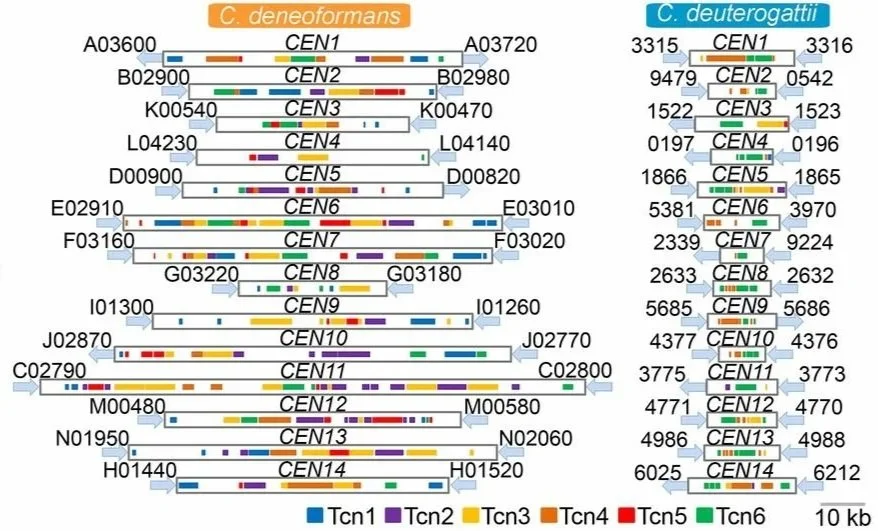
Schotanus, K., Yadav, V., and Heitman, J. Epigenetic dynamics of centromeres and neocentromeres in Cryptococcus deuterogattii. PLOS Genetics. 2021; 17(8): e1009743. PMID: 34464380.
Fu, C., Davy, A., Holmes, S., Sun, S., Yadav, V., Gusa, A., Coelho, M.A., and Heitman, J. Dynamic genome plasticity during unisexual reproduction in the human fungal pathogen Cryptococcus deneoformans. PLoS Genetics. 2021; 17(11): e1009935. PMID: 34843473.
Priest, S. J., Yadav, V., and Heitman, J. Advances in understanding the evolution of fungal genome architecture. F1000 Research. 2020; 9: F1000 Faculty Rev-776. PMID: 32765832.
Yadav, V., Sun, S., Coelho, M.A., and Heitman, J. Centromere scission drives chromosome shuffling and reproductive isolation. PNAS. 2020; 117(14): 7917-7928. PMID: 32193338.
Fang, Y., Coelho, M.A., Shu. H., Schotanus, K., Thimmappa, B.C., Yadav, V., Chen, H., Malc, E.P., Wang, J., Mieczkowski, P.A., Kronmiller, B., Tyler, B.M., Sanyal, K., Dong, S., Nowrousian, M., and Heitman, J. Long transposon-rich centromeres in an oomycete reveal divergence of centromere features in Stramenopila-Alveolata-Rhizaria lineages. PLOS Genetics. 2020; 16(3): e1008646. PMID: 32150559.
Chang Z., Yadav, V., Lee, S.C., and Heitman, J. Epigenetic mechanisms of drug resistance in fungi. Fungal Genet Biol. 2019; 132(2019): 103253. PMID: 31325489.
Yadav, V.*, Yang, F.*, Reza, M.H., Liu, S., Valent, B., Sanyal, K., and Naqvi, N.I. Cellular dynamics and genomic identity of centromeres in the cereal blast fungus. mBio. 2019; 10(4): e01581-19. PMID: 31363034.
Hoque, J., Yadav, V., Prakash, R.G., Sanyal, K., and Haldar, J. Dual function polymer-silver nanocomposites for rapid killing of microbes and inhibiting biofilms. ACS Biomat SciEng. 2019; 5(1): 81-91. PMID: 33405872.
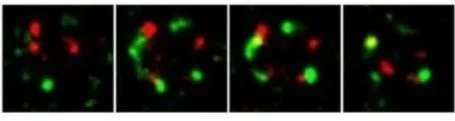
Yadav, V.#, and Sanyal, K.# Sad1 spatio-temporally regulates kinetochore clustering to ensure high fidelity chromosome segregation in the human fungal pathogen Cryptococcus neoformans. mSphere. 2018; 3(4): e00190-18. PMID: 29976642.
Yadav, V., Sun, S., Billmyre, R.B., Thimmappa, B.C., Shea, T., Lintner, R., Bakkeren, G., Cuomo, C.A., Heitman, J., and Sanyal, K. RNAi is a critical determinant of centromere evolution in closely related fungi. PNAS. 2018; 115(12): 3108-3113. PMID: 29507212.
Yadav, V., Sreekumar, L., Guin, K., and Sanyal, K. Five pillars of centromeric chromatin in fungal pathogens. PLOS Pathogens (Pearls). 2018; 14(8): e1007150. PMID: 30138484.
Sun, S., Yadav, V., Billmyre, R.B., Cuomo, C.A., Nowrousian, M., Wang, L., Souciet, J.-L., Boekhout, T., Porcel, B., Wincker, P., Granek, J.A., Sanyal, K., and Heitman, J. Fungal mating system transitions driven by chromosomal translocations involving intercentromeric recombination. PLOS Biology. 2017; 15(8): e2002527. PMID: 28800596. Featured in the news.
Ghosh, C., Yadav, V., Younis, W., Mohammad, H., Hegazy, Y.A., Seleem, M.N., Sanyal, K., and Haldar, J. Aryl-alkyl-lysines: membrane-active fungicides that act against biofilms of Candida albicans. ACS Infect Dis. 2017; 3(4): 293-301. PMID: 28238268.
Datta, A.*, Yadav, V.*, Ghosh, A., Choi, J., Bhattacharyya, D., Kar, R.K., Ilyas, H., Dutta, A., An, E., Mukhopadhyay, J., Lee, D., Sanyal, K., Ramamoorthy, A., and Bhunia, A. Mode of action of a designed antimicrobial peptide: high potency against Cryptococcus neoformans. Biophysical Journal. 2016; 111(8): 1724-1737. PMID: 27760359.
Hoque, J., Adhikary, U., Yadav, V., Samaddar, S., Konai, M.M., Prakash, R.G., Paramanandham, K., Shome, B.R., Sanyal, K., and Haldar, J. Chitosan derivatives active against multidrug-resistant bacteria and pathogenic fungi: in vivo evaluation as topical antimicrobials. ACS Mol Pharm. 2016; 13(10): 3578-3589. PMID: 27589087.
Sutradhar, S.*, Yadav, V.*, Sridhar, S.*, Sreekumar, L., Bhattacharyya, D., Ghosh, S.K., Paul, R., and Sanyal, K. A comprehensive model to predict mitotic division in budding yeasts. Mol Biol Cell. 2015; 26(22): 3954-65. PMID: 26310442. Highlighted as a “Cover Image” article.
Hoque, J., Akkapeddi, P., Yadav, V., Manjunath, G.B., Uppu, D.S., Konai, M.M., Yarlagadda, V., Sanyal, K., and Haldar, J. Broad spectrum antibacterial and antifungal polymeric paint materials: synthesis, structure-activity relationship, and membrane-active mode of action. ACS Appl Mater Interfaces. 2015; 7(3): 1804-15. PMID: 25541751.
Janbon, G., Ormerod, K. L., Paulet, D., Byrnes III, E. J., Yadav, V., et al. Analysis of the genome and transcriptome of Cryptococcus neoformans var. grubii reveals complex RNA expression and microevolution leading to virulence attenuation. PLOS Genetics. 2014; 10(4): e1004261. PMID: 24743168.
Kozubowski, L.*, Yadav, V.*, Chatterjee, G., Sridhar, S., Yamaguchi, M., Kawamoto, S., Bose, I., Heitman, J., and Sanyal, K. Ordered kinetochore assembly in the human pathogenic basidiomycetous budding yeast Cryptococcus neoformans. mBio. 2013; 4(5): e00614-13. PMID: 24085781. Highlighted as “Cover Image” article.
Roy, B., Varshney, N., Yadav, V., and Sanyal, K. The process of kinetochore assembly in yeasts. FEMS Microbiol Lett. 2013; 338(2): 107-17. PMID: 23039831.
Contact us
Vikas Yadav, PhD
Microbiology Research Facility
University of Minnesota Twin Cities