Research
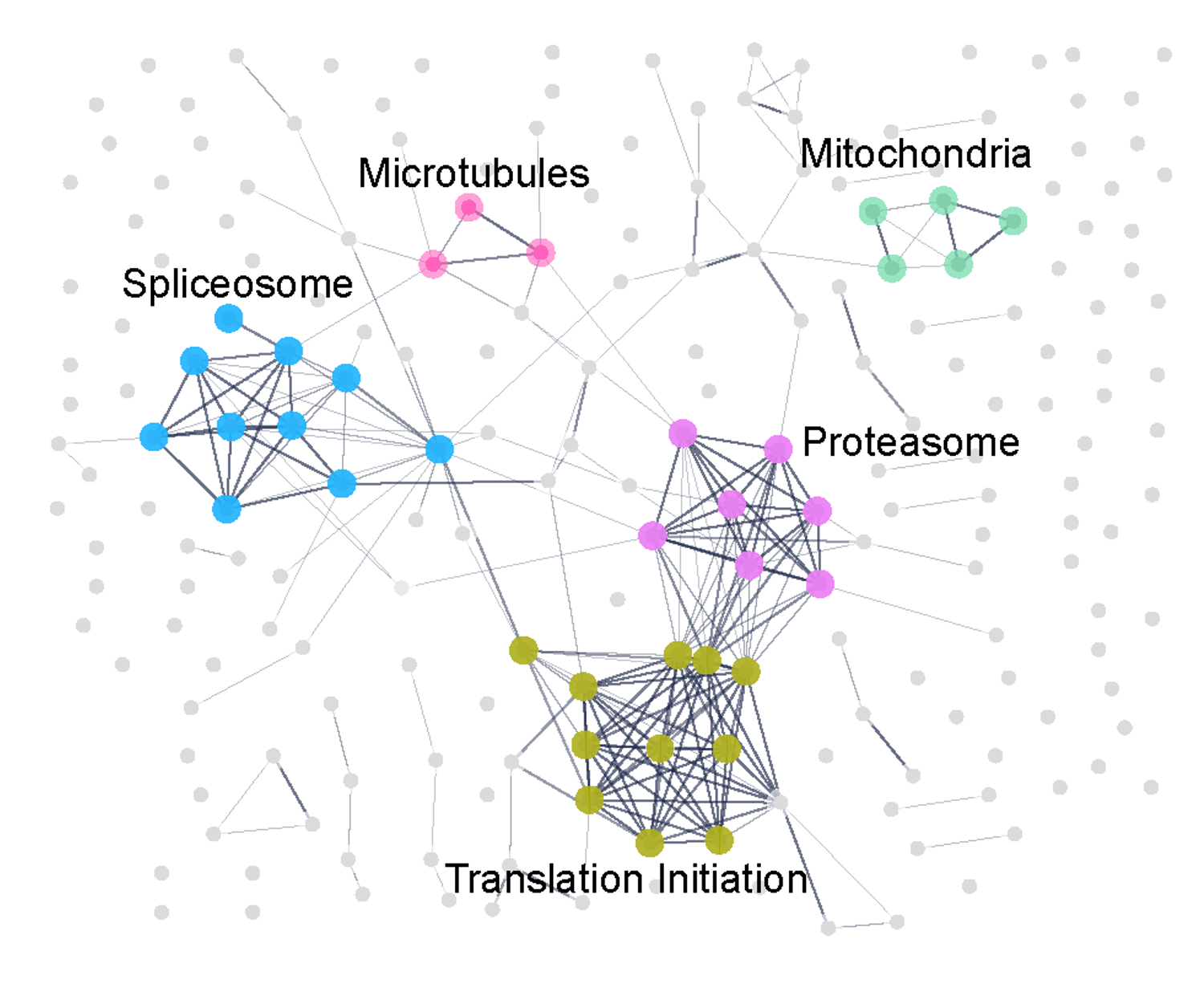
The central theme of our research is to understand how fungal cells respond to elevated temperatures and to gain insights into the molecular mechanisms enabling fungal proliferation under heat stress. We are primarily characterizing these in the fungal pathogen, Cryptococcus neoformans, which is an environmental fungus found in soil, trees, and pigeon guano, but adapts quickly to grow at human body temperature and cause deadly infections worldwide. We are also interested in learning about the evolution of these heat-response pathways in fungal pathogens, including those among emerging pathogens such as Candida auris. We also aim to identify novel fungal-specific proteins for targeted drug development.
Cytokinesis machinery in fungal pathogens
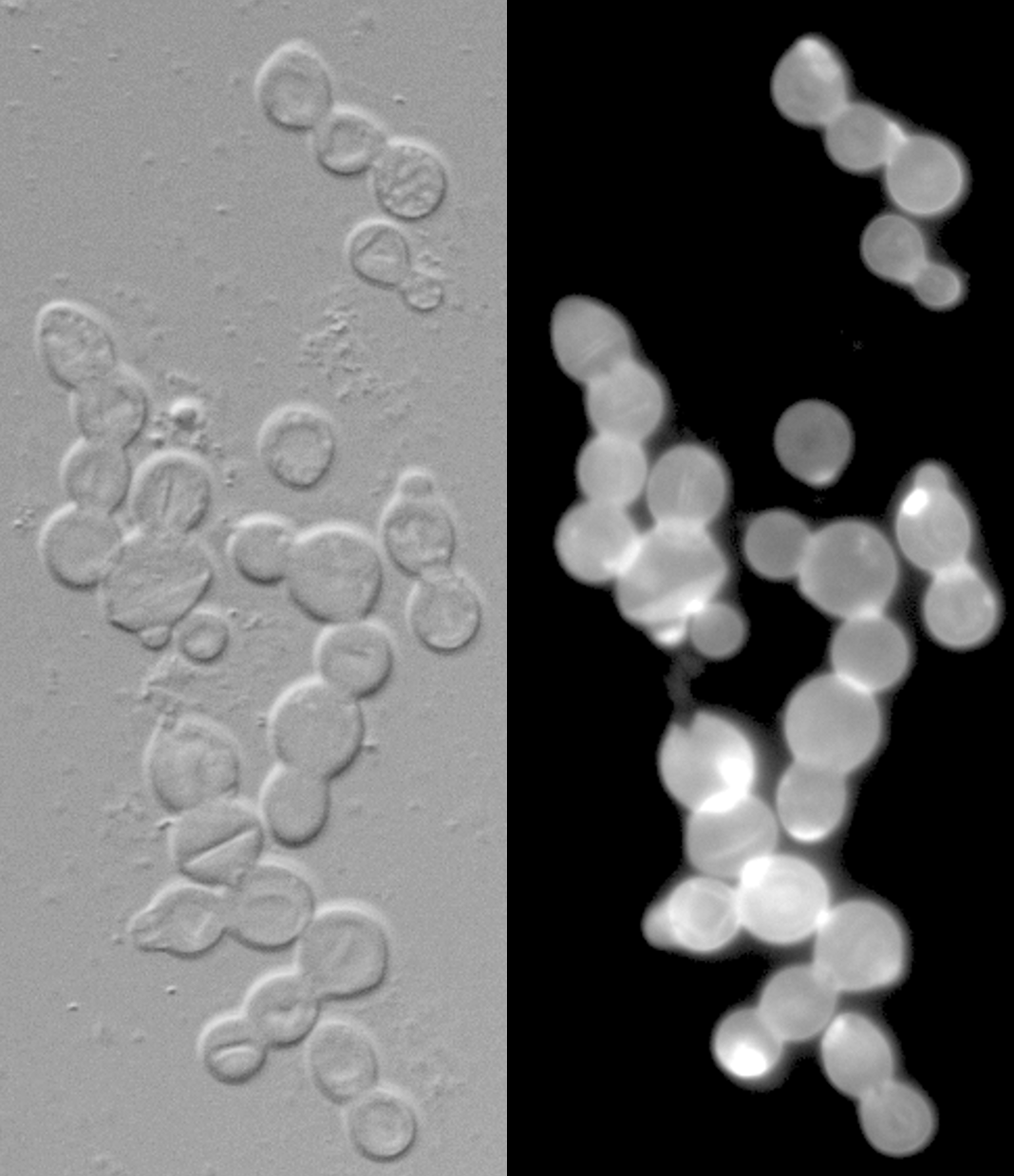
How do mother and daughter cells separate at the end of each cell cycle? Which protein players orchestrate cell division, and how is their function regulated?
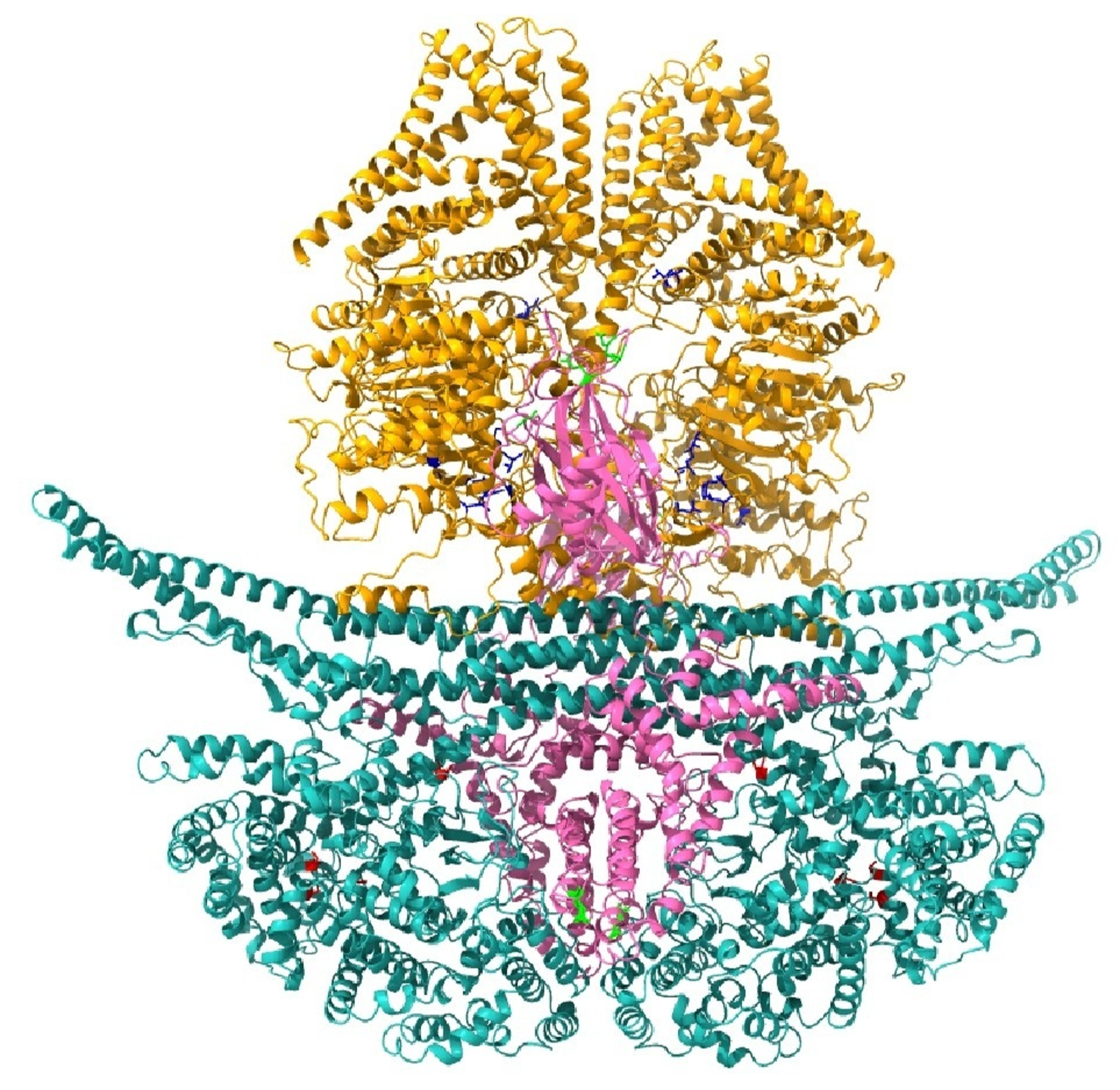
We are interested in answering these questions in human fungal pathogens. Fungi, unlike humans, form a septum at the end of each cell division to separate the progenitor cells. Septum formation requires activation of a chitin synthase enzyme via a highly coordinated protein complex, called the Ingression Progression Complex. Our goal is to learn how this protein complex assembles and activates the essential enzymatic machinery by studying gene function, cellular pathways, biochemical mechanisms and its relevance to cell shape, size and fungal pathogenesis.
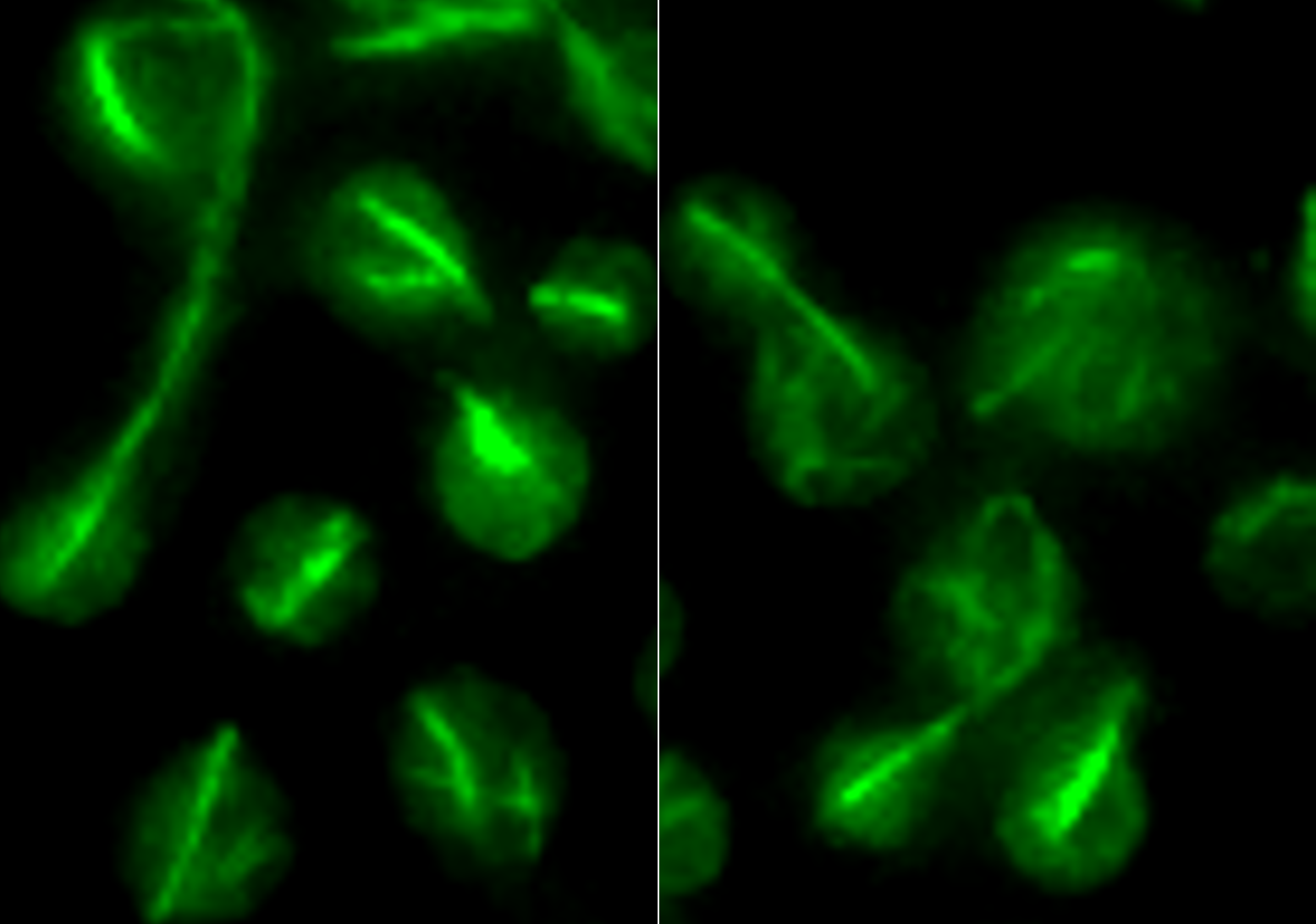
Genetic basis of nuclear division
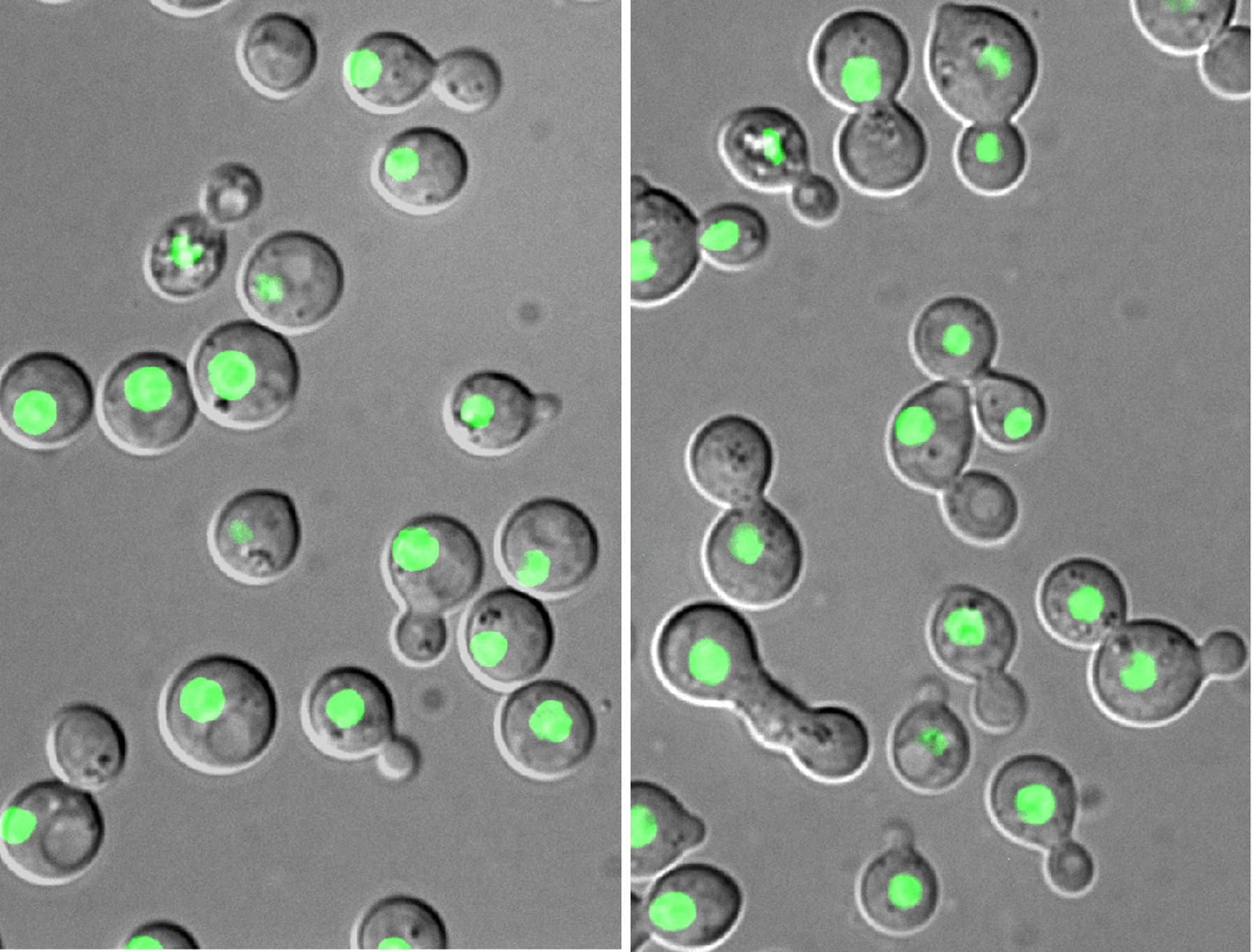
Faithful segregation of DNA between the daughter cells is the ultimate goal of each cell division. But how do fungal cells rewire cell division machinery in response to thermal stress?
Our recent work identified that both DNA replication and segregation machineries are highly regulated during heat stress in Cryptococcus neoformans. The genes involved in these processes are among the most differentially expressed transcriptionally and tightly regulated at the post-translational level. We are investigating the structure-function relationships of proteins involved in governing genome stability in response to high temperatures. Our ultimate goal is to map the dynamics of DNA replication and segregation machinery and to gain a better understanding of aneuploidy-mediated antifungal drug resistance.
Stress response and pathogenesis
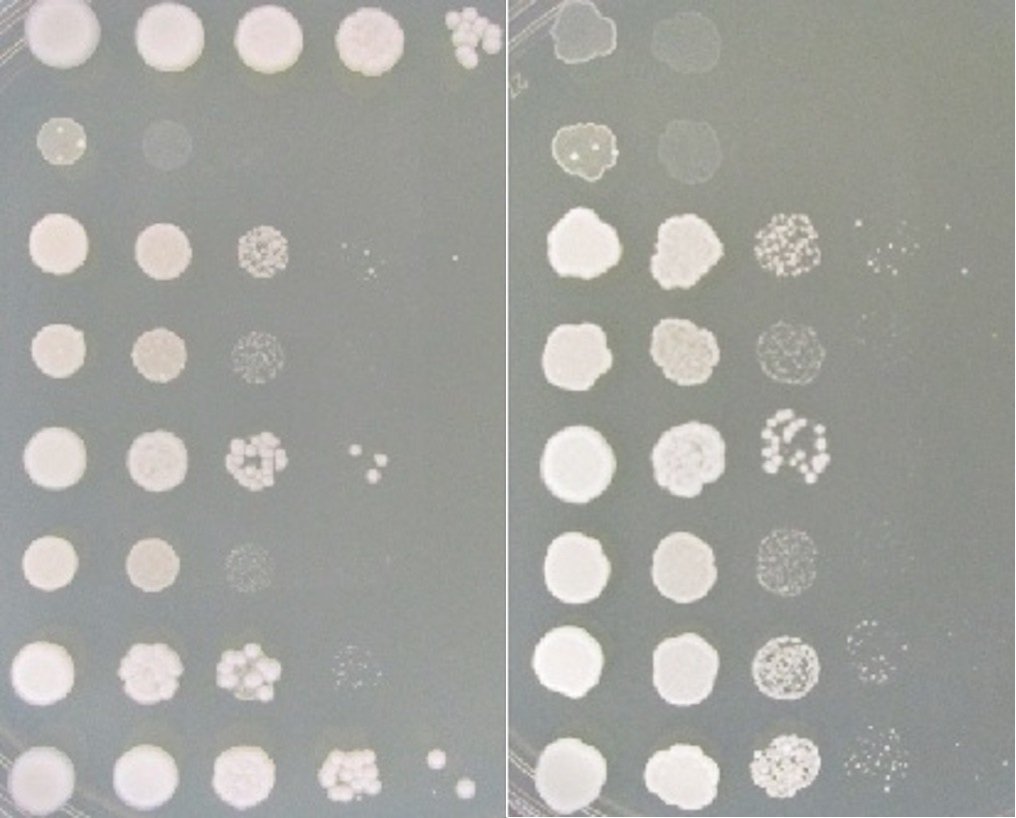
Stress response and pathogenesis-governing pathways operate within a highly interconnected network of signaling cascades. Some of these connections act in opposite directions to maintain a healthy cellular state under stress. The dynamic machinery controlling these cellular processes remains poorly understood.
Calcineurin, a conserved serine-threonine protein phosphatase, is essential for thermal tolerance and virulence in Cryptococcus species. Our lab is characterizing the antagonistic interactions of calcineurin signaling cascades in this species and are excited to expand these approaches to understand calcineurin’s antagonistic relationships in other fungal pathogens, including Candida species, where calcineurin is essential for infection.